
Should i get a watch winder
Deciding whether to get a watch winder depends largely on your watch collection, your lifestyle, and how much convenience you want versus manual upkeep.

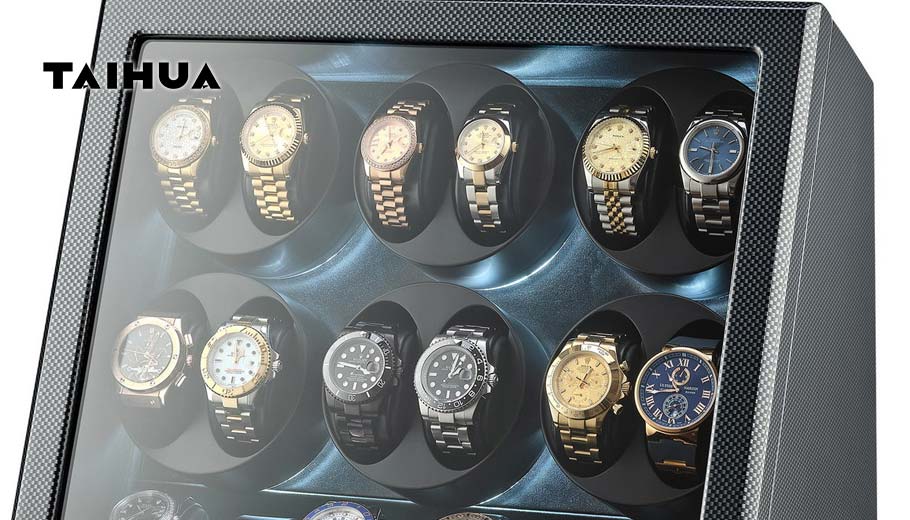
Deciding whether to get a watch winder depends largely on your watch collection, your lifestyle, and how much convenience you want versus manual upkeep.
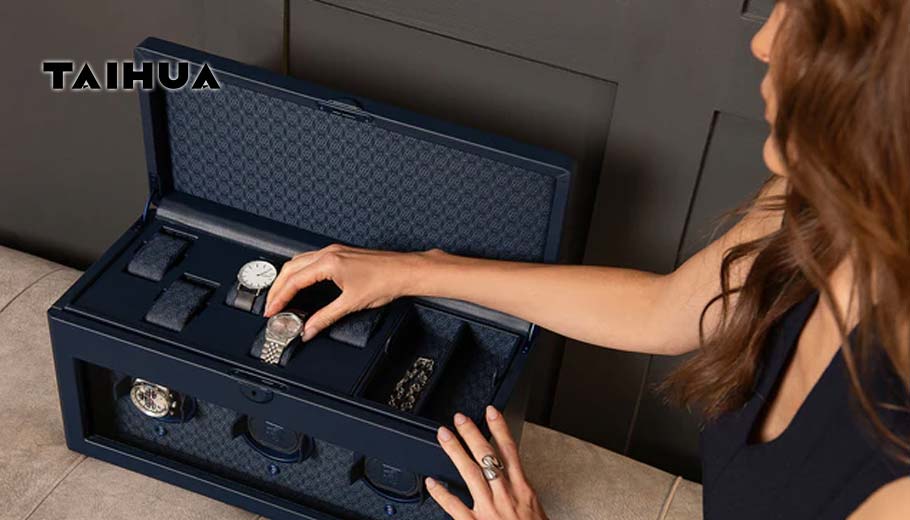
Yes, a watch winder can be used simply as a case to store and protect your watch, even if it's not an automatic watch that requires winding.
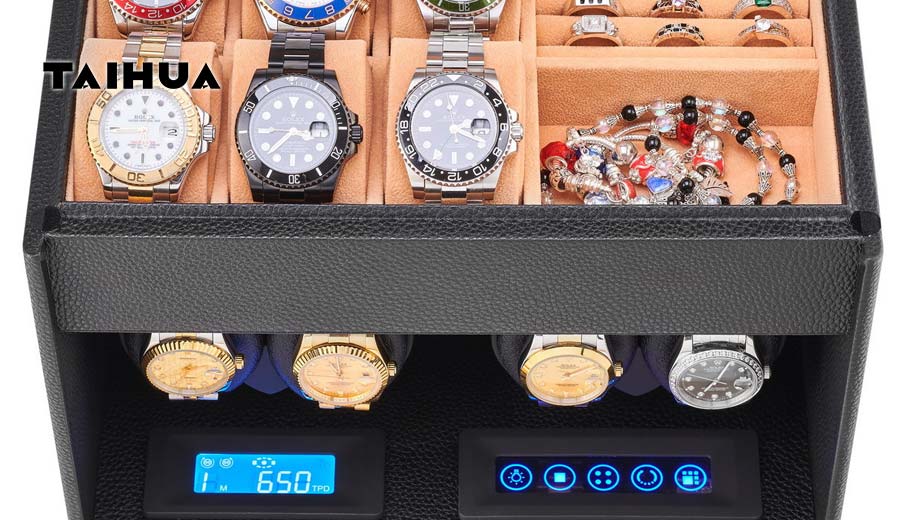
A multiple watch winder box can wind several watches simultaneously, with capacities typically ranging from 2 to 24 watches depending on the model.
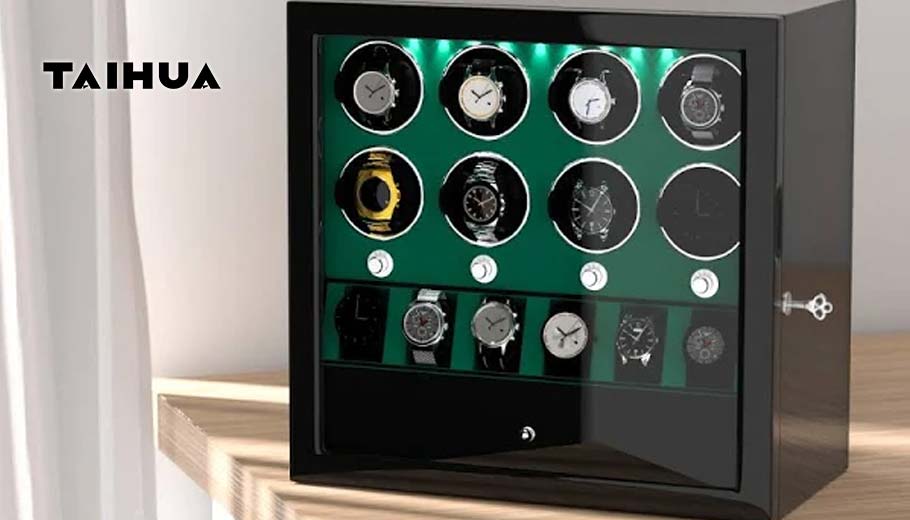
For high-end watch collections, the multiple watch winder that offers the best value combines luxury, advanced technology, reliable winding, and elegant presentation.
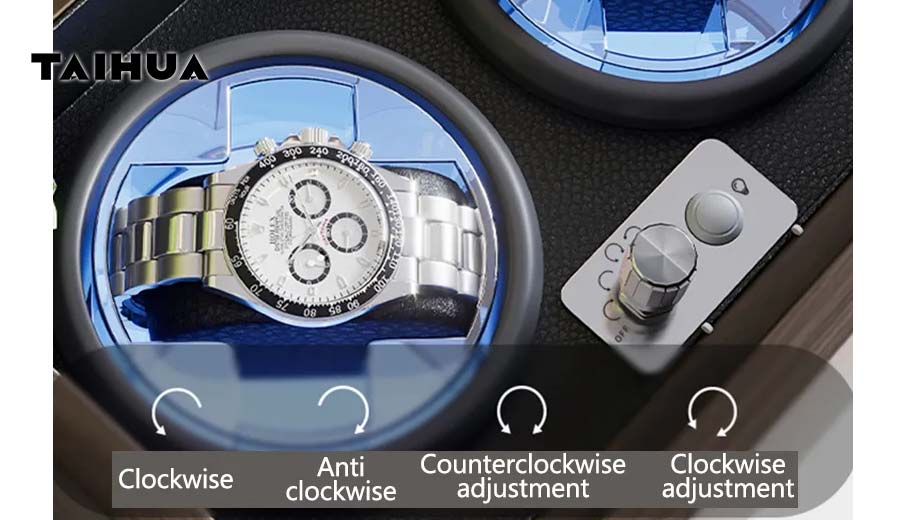
The direction in which an automatic watch winding box (watch winder) should rotate—clockwise, counterclockwise, or bidirectional—depends on the specific winding mechanism of your watch.
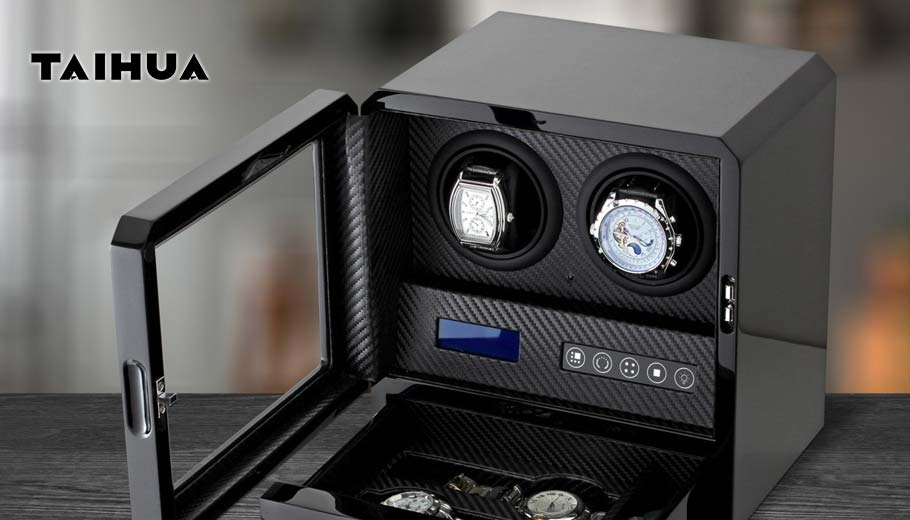
Discover what a double watch winder is, how it works, and how to choose the best one to keep your automatic watches wound, accurate, and ready to wear.
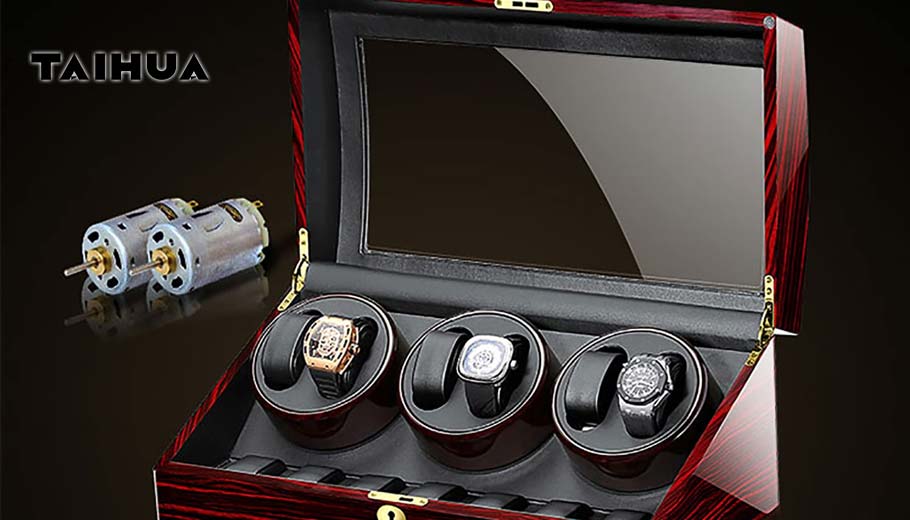
No, watch winders do not typically use a lot of electricity. Most watch winders either use a low-power adapter or batteries, and the energy consumption is minimal, especially when compared to other household appliances.
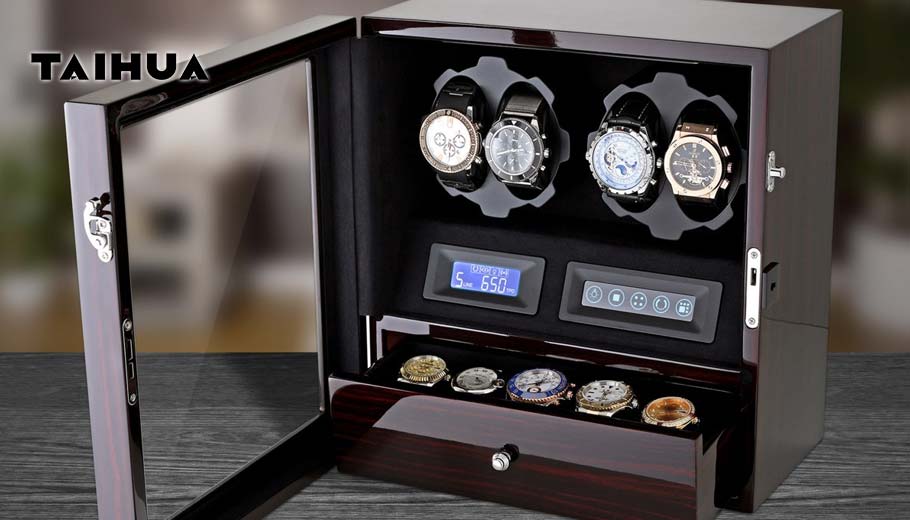
High-quality watch winders box can last many years—often between 5 to 10 years or even longer with proper care.
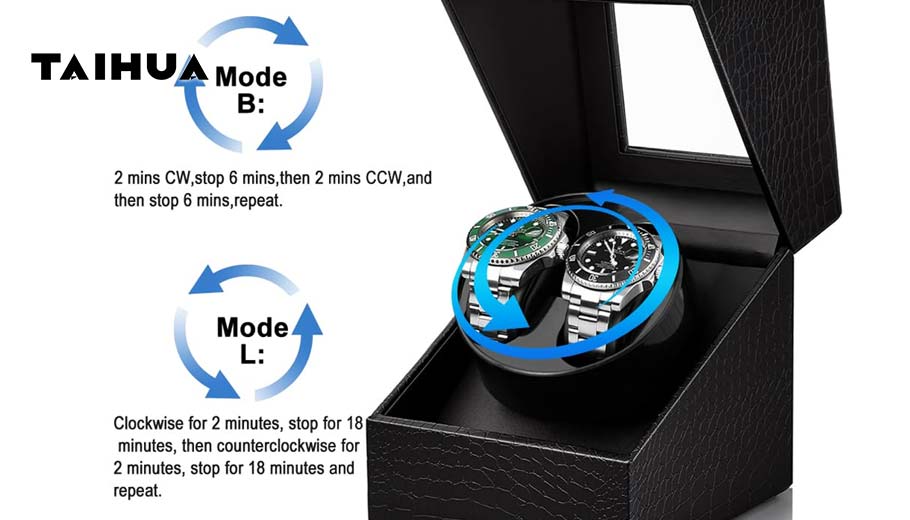
Mode B is designed for frequent wear, offering a shorter cycle of rotation (e.g., 2 minutes of winding followed by 6 minutes of rest) and repeating this pattern continuously. Mode L (or M) is typically for long-term storage, featuring a longer winding cycle (e.g., 10 minutes in each direction for 3 hours, followed by a 9-hour rest) and repeating this longer cycle.
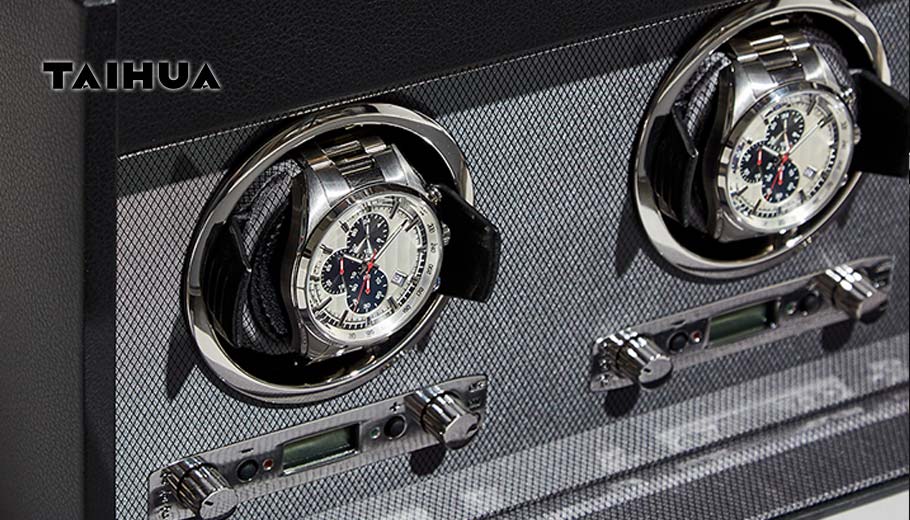
The primary benefits of a watch winder are convenience and preservation, allowing automatic watches to remain wound and ready to wear, saving time on manual winding, maintaining accuracy, and protecting the watch's movement and settings.
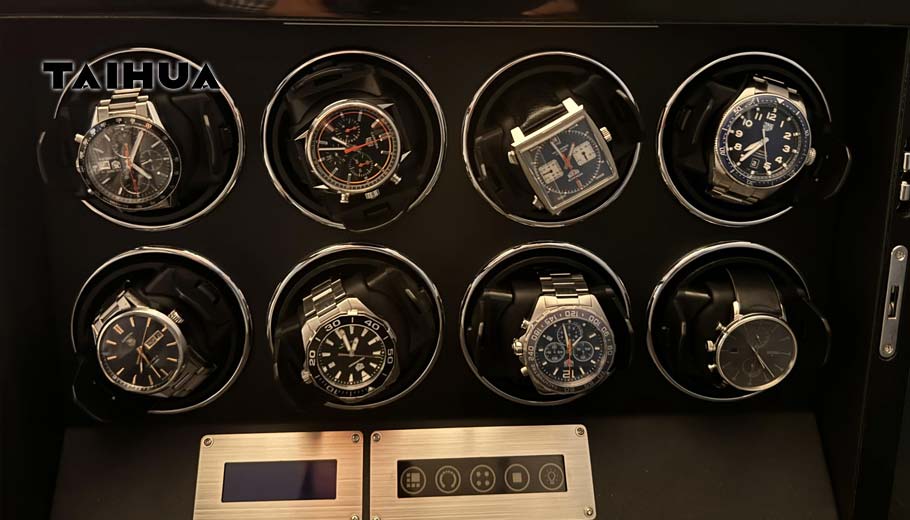
TAG Heuer recommends using a programmable watch winder tailored to the specific winding specifications of your watch model, particularly focusing on the number of turns per day (TPD) and winding direction.
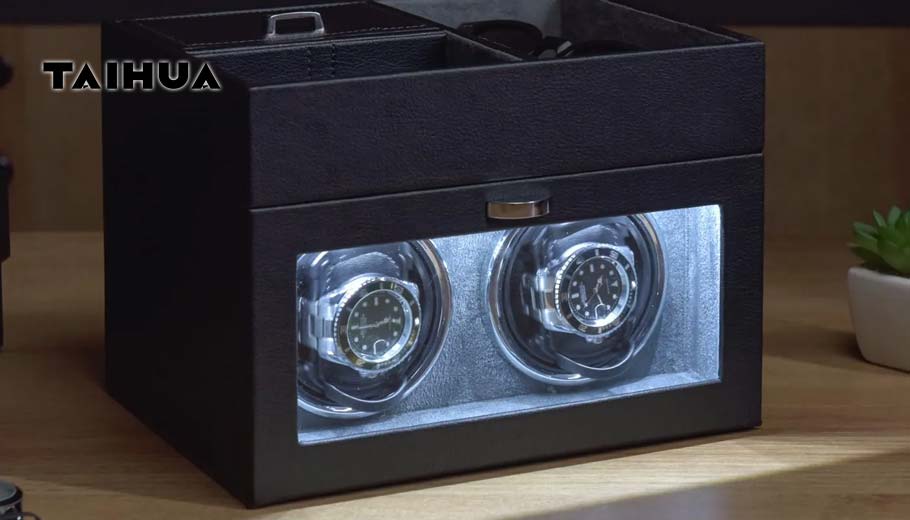
To set up a watch winder, you'll need to determine the correct Turns Per Day (TPD) and rotation direction (clockwise, counterclockwise, or bidirectional) for your specific automatic watch.
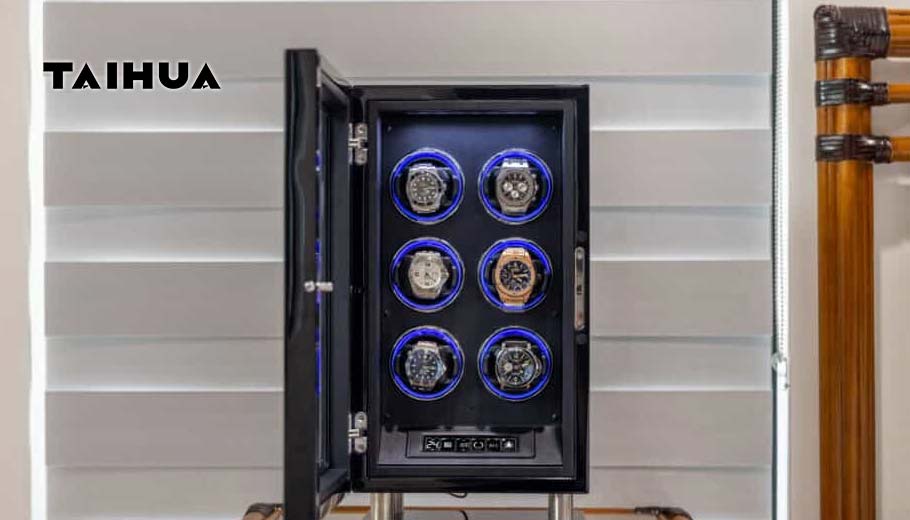
watch winder box for daily use, running the winder cyclically for 8 to 12 hours per day is optimal. This can be split into 2 to 3 sessions throughout the day.
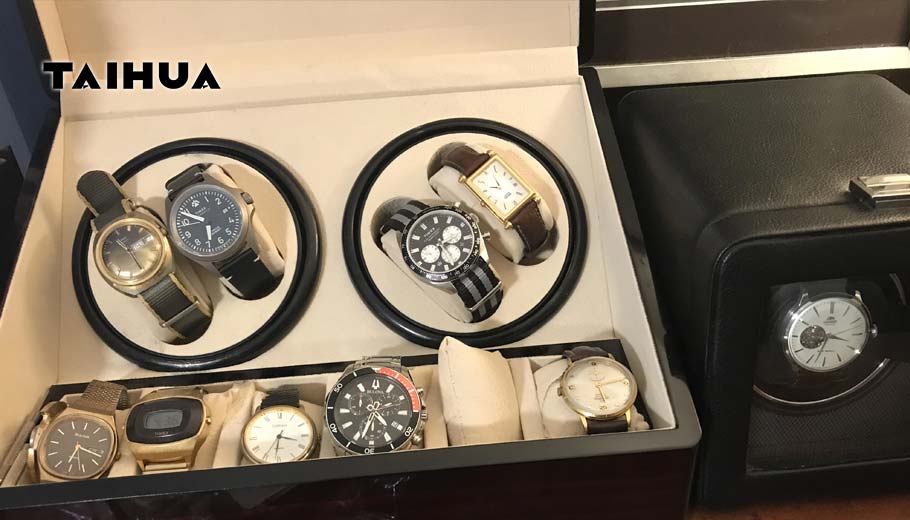
To maintain a rotating watch winder, regularly clean its exterior and interior with a soft cloth and appropriate cleaning solution, and ensure it's placed in a dust-free environment. Always stop the winder before inserting or removing a watch to prevent motor damage.
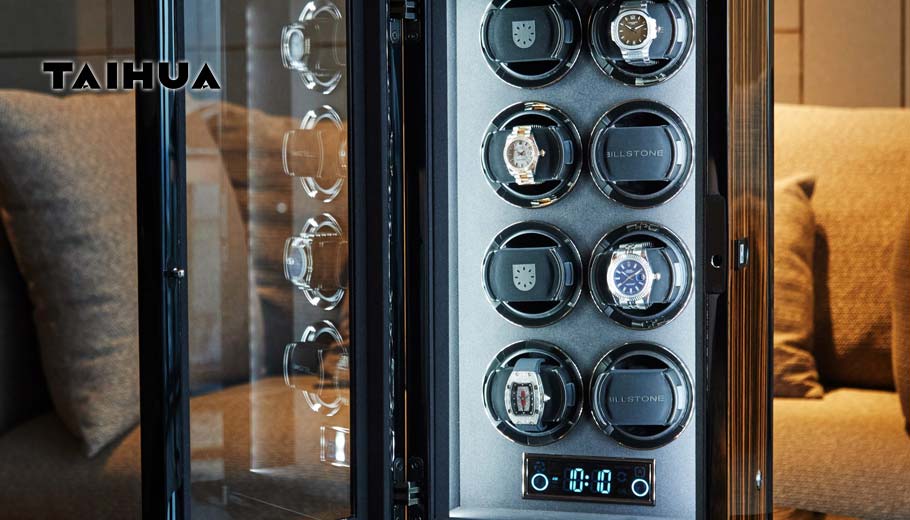
A watch winder is not essential for all watches, but it can be beneficial for specific situations, particularly for automatic watches and those with complex complications.
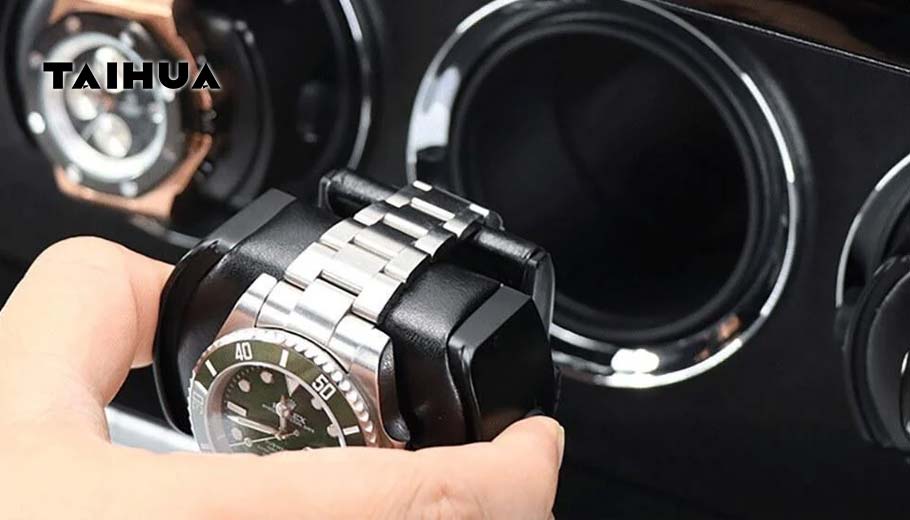
No, a watch winder cannot overwind an automatic watch. Automatic watches have a mechanism called a slipping mainspring which prevents overwinding by releasing excess energy when fully wound.
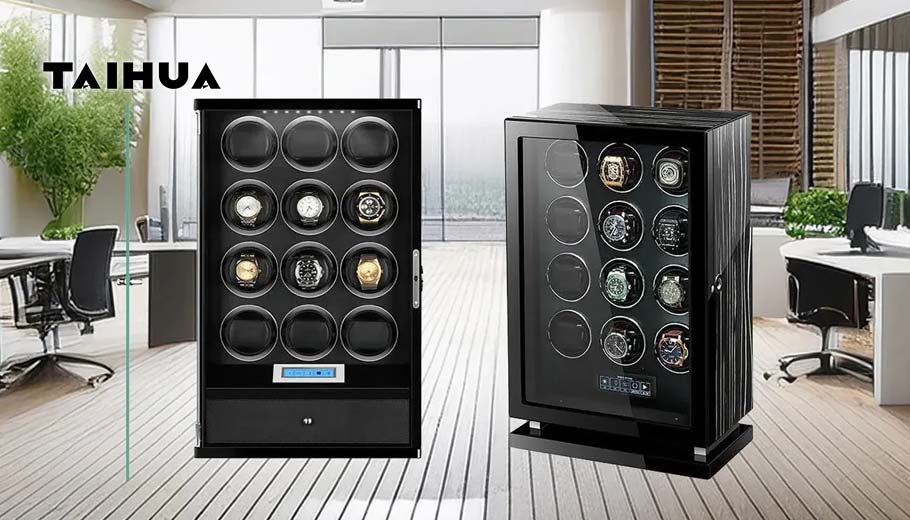
Yes,watch winder is good for keeping automatic watches running when not worn, especially for watches with multiple complications like perpetual calendars, but is unnecessary for manual or quartz watches.
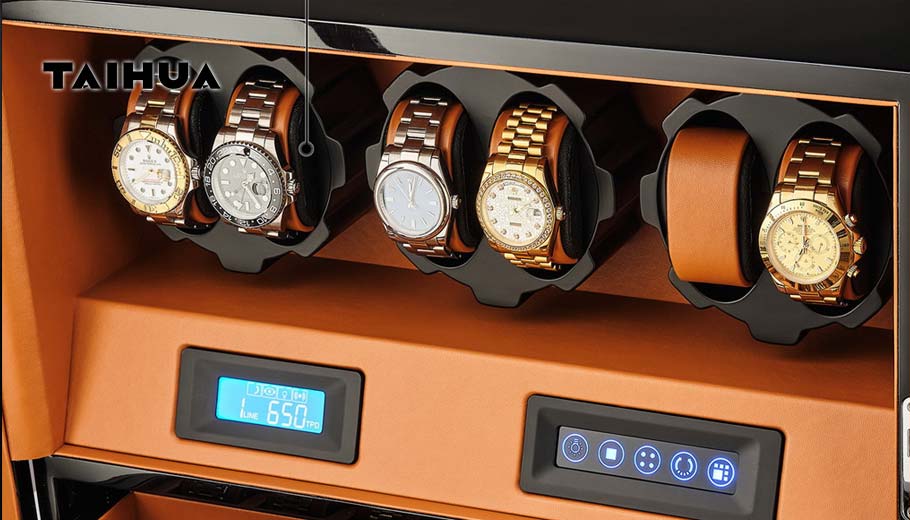
Watches that need a watch winder are primarily automatic (self-winding) watches. These watches rely on the motion of the wearer’s wrist to wind the mainspring, which powers the watch.
From distributors to retailers, we welcome business collaborations around the world.Our team is here to guide you. Whether you’re looking for technical details, bulk orders, or personalized recommendations, we’re ready to help.
Taihua is a dedicated manufacturer specializing in producing and customizing high-quality watch winders. With 15 years of industry experience, we have established a solid reputation among distributors, reputable watch brands, retailers, and passionate collectors of mechanical watches.
© 2026 TaiHua, Inc. All Rights Reserved. Privacy Policy